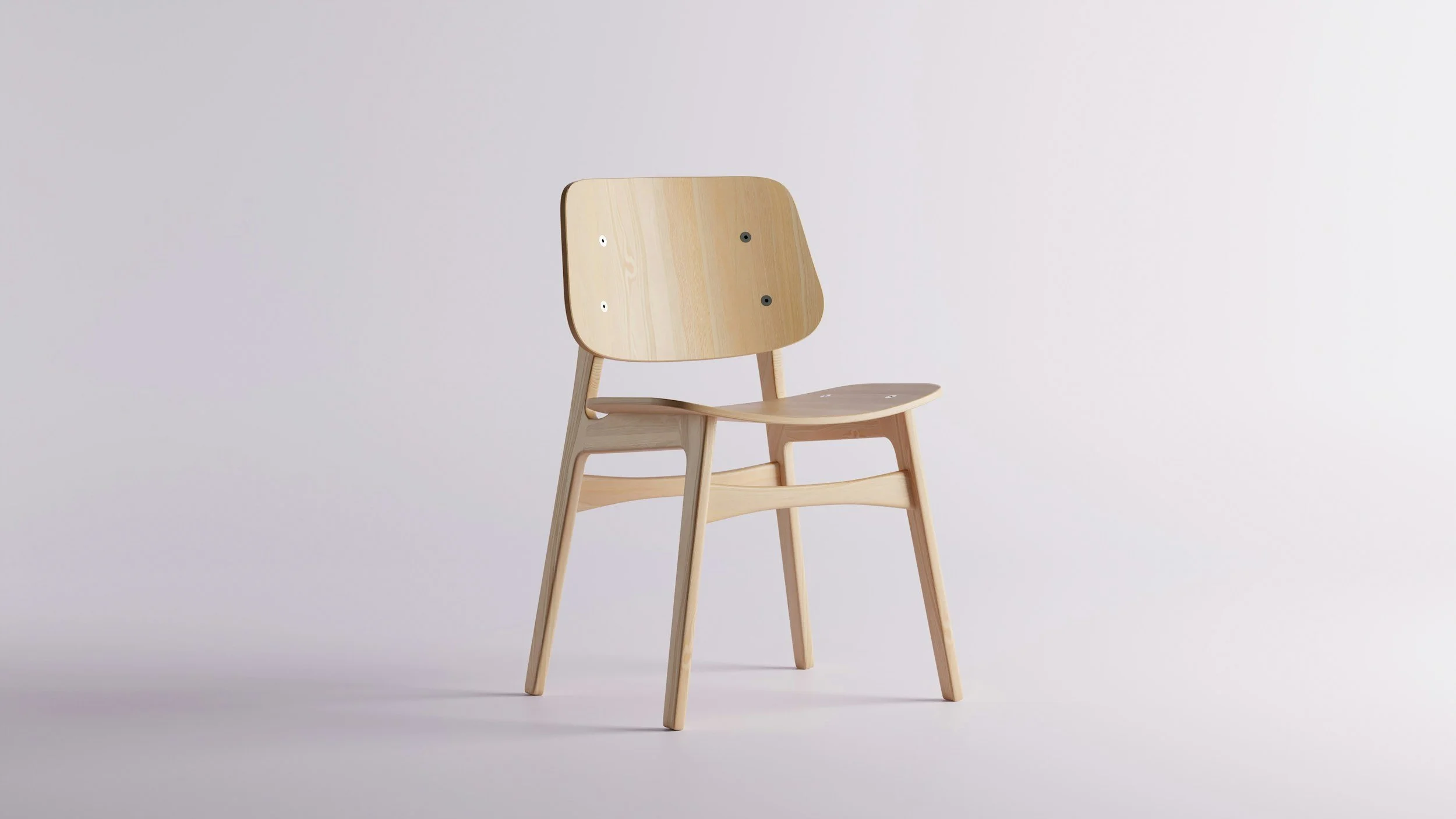
Rethinking the Time-Out Chair
Just ask any teacher about managing classroom behavior and you'll more than likely get an earful! It doesn't matter whether they teach kindergarteners or middle schoolers — there are always challenges. Maybe it's the age group, or simply the fact that so many students share one space. Lately, I've been thinking a lot about the use and misuse of the "time-out" chair.
Time-out has been around for many years. Sometimes it's used punitively, as a punishment for rule-breaking. But it can also be a teaching tool — for both parents and teachers — to help children develop self-regulation and the desire to make better choices.
For time-out to be effective, it has to be used consistently, for minor infractions, and delivered with a respectful tone. Believe me, I know that's easier said than done! When misbehavior occurs, we have to take a step back, check ourselves, take a few deep breaths, and be thoughtful about the words and tone we're about to use. Now, I'm not saying we can't be firm — we absolutely can. We just need to make sure our message communicates that we are in control, even when the child is not. After all, we are the adults.
A Responsive Classroom® teacher uses time-out in a non-punitive way. It's a chance for a child to take a break, regroup, regain self-control, and rejoin the lesson. Minimal learning is lost — the student can still hear what's going on. They're given the gift of time: to rethink what happened, to consider better choices, to calm down, to disengage from the problem. The time spent is brief. The student takes responsibility for catching up on any missed work. And importantly, the student "saves face" — they are not mocked or ridiculed. After all, we all make mistakes.
After 37 years in the classroom, my use of time-out evolved into something rooted in respect and an understanding of child development. In my early years, I used it punitively — as many teachers did back then. I look back on that with regret, realizing it was only a short-term fix that created bad feelings, which was never my intent. As the saying goes: when we know better, we do better. In 1995, I was introduced to the Responsive Classroom® approach and its philosophy on discipline and classroom management, and the time-out chair took on an entirely different meaning.
Becoming effective with time-out takes time, so if you're a teacher or parent working on this, be patient with yourself and your child. You're seeing it through a new lens now — one that will better equip you to help your child develop self-regulation and sound decision-making. Both are essential life skills.
That said, time-out doesn't work for everyone — teachers know this well. For some children, we have to get creative and find other ways to help them get back on track. One of the Guiding Principles of Responsive Classroom® states: "What we know and believe about our students — individually, culturally, and developmentally — informs our expectations, reactions, and attitudes about those students." It is vital that we truly know the children we teach and understand what will and won't be effective for each one.
Even as adults, most of us are rule-breakers from time to time — whether it's driving over the speed limit or sneaking into the express lane with a few too many items! We must lead with empathy. I find it hard to watch adults hold children to higher standards than they hold for themselves. Please, remember empathy.
I often come back to this wonderful quote from Deb Porter in Rules in School:
"Time-out is like the grooves on the side of the highway. It is that gentle nudge that pulls us back in before we go barreling off the road."
Isn't that perfect? Don't we all need a gentle reminder now and then? Hold onto that image and let it reframe the way you think about the time-out chair.
Previously posted March 27, 2018